
Breastfeeding in the Light of Modern Scientific Research
One of the remarkable aspects of the Qur’anic guidance on breastfeeding is that many of its principles have been affirmed by contemporary medical and scientific research. Although the Qur’an prescribed a complete breastfeeding period of two years more than fourteen centuries ago, modern health organizations now recommend remarkably similar practices based on extensive scientific evidence.

The World Health Organization (WHO) and UNICEF recommend exclusive breastfeeding for the first six months of life, followed by continued breastfeeding along with appropriate complementary foods up to two years of age or beyond. This recommendation closely corresponds with the Qur’anic injunction:
﴿وَالْوَالِدَاتُ يُرْضِعْنَ أَوْلَادَهُنَّ حَوْلَيْنِ كَامِلَيْنِ﴾
“Mothers shall breastfeed their children for two complete years.” (Qur’an 2:233)
Scientific research has demonstrated that breast milk is not merely a source of nutrition; it is a living biological substance containing antibodies, immune cells, enzymes, hormones, stem cells, and beneficial bacteria that cannot be replicated by artificial formula.
Numerous clinical studies have shown that breastfed infants experience a significantly lower risk of respiratory infections, diarrhea, ear infections, obesity, type 1 and type 2 diabetes, childhood leukemia, and sudden infant death syndrome (SIDS). Breastfeeding also contributes to improved cognitive development, with several longitudinal studies reporting modest but measurable improvements in intelligence scores and academic performance among breastfed children.
Modern neuroscience has further revealed that breastfeeding strengthens the emotional bond between mother and infant. During nursing, the hormone oxytocin, often called the “love hormone,” is released in both mother and child. Oxytocin promotes secure attachment, reduces maternal stress, enhances emotional stability, and supports healthy neurological development in the infant.
Research has also established substantial health benefits for mothers. Women who breastfeed have a lower lifetime risk of breast cancer, ovarian cancer, type 2 diabetes, hypertension, and cardiovascular disease. Breastfeeding also facilitates postpartum recovery by stimulating uterine contraction and reducing postpartum bleeding.
From an economic perspective, breastfeeding substantially reduces healthcare costs by decreasing childhood illnesses and hospital admissions while eliminating much of the expense associated with infant formula. It also contributes to environmental sustainability by producing no industrial waste, packaging, or carbon emissions associated with formula production.
Recent discoveries in microbiology have highlighted another remarkable feature of breast milk. Human milk contains Human Milk Oligosaccharides (HMOs)—complex sugars that nourish beneficial intestinal bacteria rather than the infant directly. These compounds help establish a healthy gut microbiome, strengthen the immune system, and may reduce the risk of allergies and autoimmune diseases later in life.
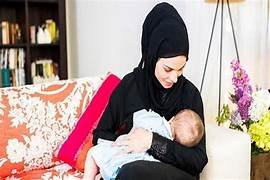
Scientists have also discovered that breast milk changes dynamically according to the infant’s age, health status, and developmental needs. For example, the composition of milk produced for premature infants differs from that produced for full-term infants. Some studies even suggest that when an infant becomes ill, the mother’s milk adapts by increasing protective immune components.
These scientific findings do not “prove” the Qur’an; rather, they illustrate the remarkable harmony between divine guidance and the observable realities of human biology. The Qur’anic emphasis on breastfeeding, parental responsibility, consultation, and the protection of children’s rights reflects a holistic vision of family life that continues to be supported by contemporary medical science.
In an era marked by rapid social change and increasing challenges to family stability, the Qur’anic model of breastfeeding remains not only spiritually profound but also scientifically relevant. It demonstrates that Islamic teachings regarding early childhood care promote physical health, emotional well-being, cognitive development, and social stability—benefiting not only individual families but society as a whole.
رضاعت: جدید سائنسی تحقیقات کی روشنی میں
اسلام نے آج سے چودہ سو سال قبل جس رضاعتی نظام کی تعلیم دی، جدید سائنس اور طب نے اس کی افادیت کو مسلسل تحقیق کے ذریعے ثابت کیا ہے۔ اگرچہ قرآنِ کریم نے دو سال تک رضاعت کی مدت مقرر کی، لیکن یہ بات قابلِ توجہ ہے کہ آج دنیا کے معتبر ترین طبی ادارے بھی اسی اصول کی تائید کرتے ہیں۔
عالمی ادارۂ صحت (WHO) اور یونیسف (UNICEF) کی مشترکہ سفارش ہے کہ ہر نومولود بچے کو زندگی کے پہلے چھ ماہ تک صرف ماں کا دودھ دیا جائے، اس کے بعد مناسب تکمیلی غذا کے ساتھ دو سال یا اس سے زیادہ عرصہ تک دودھ پلانا جاری رکھا جائے۔ یہ سفارش قرآنِ کریم کے اس ارشاد سے مکمل ہم آہنگ ہے:
﴿وَالْوَالِدَاتُ يُرْضِعْنَ أَوْلَادَهُنَّ حَوْلَيْنِ كَامِلَيْنِ﴾
“اور مائیں اپنے بچوں کو پورے دو سال دودھ پلائیں۔”
(سورۃ البقرۃ: 233)
جدید طبی تحقیقات سے معلوم ہوا ہے کہ ماں کا دودھ صرف غذا نہیں بلکہ ایک زندہ حیاتیاتی نعمت (Living Biological Fluid) ہے، جس میں قدرتی اینٹی باڈیز، مدافعتی خلیات، مفید جراثیم، انزائمز، ہارمونز، نشوونما میں مدد دینے والے عوامل اور حتیٰ کہ اسٹیم سیلز (Stem Cells) بھی موجود ہوتے ہیں۔ آج تک کوئی مصنوعی دودھ ان تمام خصوصیات کا مکمل متبادل فراہم نہیں کر سکا۔
متعدد طبی مطالعات سے یہ حقیقت سامنے آئی ہے کہ ماں کا دودھ پینے والے بچوں میں نمونیا، سانس کی نالی کے انفیکشن، اسہال، کان کے انفیکشن، دمہ، موٹاپا، ذیابیطس (ٹائپ 1 اور ٹائپ 2)، بچوں کے بعض سرطان (Leukemia) اور اچانک شیر خوار بچوں کی موت (Sudden Infant Death Syndrome – SIDS) کا خطرہ نمایاں طور پر کم ہو جاتا ہے۔
تحقیقات یہ بھی ظاہر کرتی ہیں کہ ماں کا دودھ پینے والے بچوں کی ذہنی نشوونما بہتر ہوتی ہے۔ مختلف طویل المدتی مطالعات میں یہ دیکھا گیا ہے کہ ایسے بچوں میں سیکھنے کی صلاحیت، یادداشت، تعلیمی کارکردگی اور بعض ذہنی صلاحیتوں (Cognitive Development) میں نسبتاً بہتر نتائج سامنے آئے ہیں۔
جدید اعصابی سائنس (Neuroscience) نے یہ بھی واضح کیا ہے کہ رضاعت صرف جسمانی غذا نہیں بلکہ جذباتی تعلق کو مضبوط بنانے کا مؤثر ذریعہ بھی ہے۔ دودھ پلانے کے دوران ماں اور بچے دونوں کے جسم میں آکسی ٹوسن (Oxytocin) نامی ہارمون خارج ہوتا ہے، جسے “محبت اور وابستگی کا ہارمون” کہا جاتا ہے۔ یہ ہارمون ماں اور بچے کے درمیان اعتماد، محبت، ذہنی سکون اور جذباتی استحکام کو فروغ دیتا ہے، جبکہ ماں میں ذہنی دباؤ کو کم کرنے میں بھی مددگار ثابت ہوتا ہے۔
رضاعت کے فوائد صرف بچے تک محدود نہیں رہتے بلکہ ماں کی صحت پر بھی اس کے گہرے مثبت اثرات مرتب ہوتے ہیں۔ جدید طبی تحقیق کے مطابق جو خواتین اپنے بچوں کو دودھ پلاتی ہیں، ان میں چھاتی کے سرطان (Breast Cancer)، بیضہ دانی کے سرطان (Ovarian Cancer)، ٹائپ 2 ذیابیطس، بلند فشارِ خون اور بعض قلبی امراض کا خطرہ نسبتاً کم ہو جاتا ہے۔ اس کے علاوہ رضاعت رحم کو جلد اپنی معمول کی حالت میں واپس لانے اور زچگی کے بعد خون بہنے کو کم کرنے میں بھی معاون ثابت ہوتی ہے۔
معاشی اعتبار سے بھی رضاعت ایک نہایت مؤثر نظام ہے۔ ماں کا دودھ بچوں میں بیماریوں اور ہسپتال میں داخلے کی شرح کو کم کرتا ہے، جس سے خاندانوں اور قومی صحت کے نظام پر مالی بوجھ کم ہوتا ہے۔ مزید برآں، مصنوعی دودھ کی تیاری، پیکنگ اور نقل و حمل سے پیدا ہونے والے ماحولیاتی اثرات بھی رضاعت کے قدرتی نظام میں موجود نہیں ہوتے، اس لیے یہ ماحول دوست (Eco-friendly) طریقہ بھی ہے۔
حالیہ برسوں میں سائنس دانوں نے ماں کے دودھ کی ایک اور حیرت انگیز خصوصیت دریافت کی ہے۔ اس میں ہیومن ملک اولیگوسیکرائیڈز (Human Milk Oligosaccharides – HMOs) نامی پیچیدہ قدرتی اجزاء پائے جاتے ہیں، جو براہِ راست بچے کی غذا نہیں بنتے بلکہ اس کی آنتوں میں موجود مفید بیکٹیریا کی نشوونما کرتے ہیں۔ اس کے نتیجے میں بچے کا نظامِ ہاضمہ مضبوط ہوتا ہے، قوتِ مدافعت بہتر بنتی ہے اور مستقبل میں الرجی اور بعض خودکار (Autoimmune) بیماریوں کے امکانات کم ہو سکتے ہیں۔
مزید حیرت انگیز بات یہ ہے کہ تحقیق سے معلوم ہوا ہے کہ ماں کا دودھ ایک جامد مادہ نہیں بلکہ بچے کی عمر، ضرورت اور صحت کے مطابق اپنی ترکیب میں تبدیلی لاتا رہتا ہے۔ قبل از وقت پیدا ہونے والے بچوں کے لیے ماں کے دودھ کی ساخت مختلف ہوتی ہے، اور بعض مطالعات سے یہ بھی اشارہ ملا ہے کہ اگر بچہ بیمار ہو جائے تو ماں کے دودھ میں حفاظتی مدافعتی اجزاء کی مقدار بڑھ سکتی ہے۔
یہ تمام سائنسی حقائق قرآنِ کریم کی صداقت کو ثابت کرنے کے لیے نہیں، بلکہ یہ دکھانے کے لیے ہیں کہ وحیِ الٰہی کی تعلیمات اور انسانی فطرت کے درمیان گہری ہم آہنگی موجود ہے۔ قرآن نے رضاعت، والدین کی ذمہ داری، باہمی مشاورت اور بچوں کے حقوق کا جو متوازن نظام پیش کیا، جدید سائنس بھی آج اس کی حکمت اور افادیت کی تائید کر رہی ہے۔
آج جب دنیا خاندانی نظام کے مختلف بحرانوں سے گزر رہی ہے، اسلام کا رضاعتی تصور نہ صرف روحانی اور اخلاقی اعتبار سے بلکہ طبی، نفسیاتی، معاشی اور سماجی اعتبار سے بھی ایک جامع اور قابلِ عمل نمونہ پیش کرتا ہے۔ یہ تعلیمات ثابت کرتی ہیں کہ اسلام نے بچے کی جسمانی صحت، ذہنی نشوونما، جذباتی استحکام، ماں کی عزت، باپ کی ذمہ داری اور خاندان کی پائیداری کو ایک ہی مربوط نظام کے تحت محفوظ کیا ہے۔